
Missed Your IELTS Target by 0.5? Build a Retake Practice Plan
If you missed your IELTS target by 0.5, start with the gap between your result and the requirement, then turn one repeatable weakness into a practice task. Before another full mock, write down what went wrong, what you will practise differently, and how you will check the next attempt. A small score gap does not tell you which skill or habit needs work.
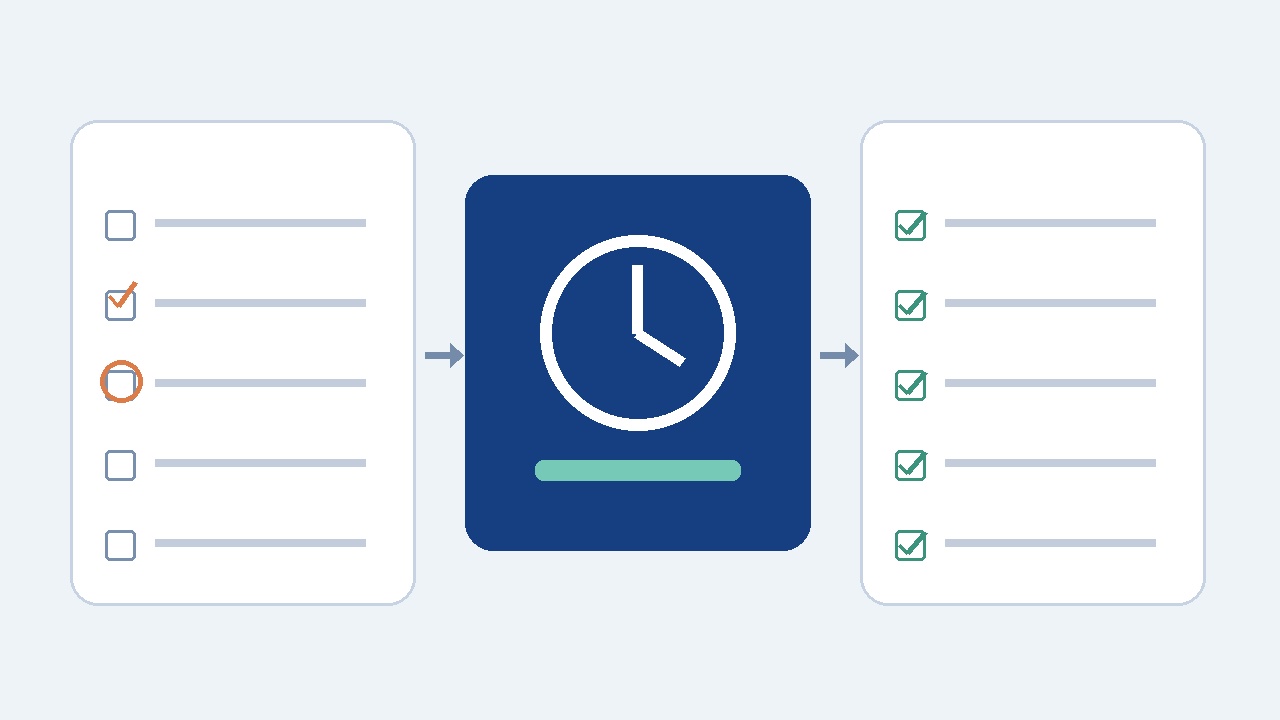
Start with the requirement and your evidence
Record the overall score and any individual skill minimum required by your receiving organisation. Put your actual Listening, Reading, Writing and Speaking results beside them. IELTS reports an overall score and separate scores for those four skills; see its official results and retake guidance. Keep the organisation’s requirement in front of you so that preparation addresses the result you actually need.
Next, gather evidence you can inspect: a recent practice answer, an answer key, a recording, or specific teacher feedback. Your test score identifies a skill to investigate, but it does not reveal every mistake in your test performance. Avoid labelling the problem “vocabulary” or “carelessness” until you can point to an example.
Use this four-part retake worksheet
- Observed error: What exactly happened? For example: “I selected the first time mentioned, although the speaker corrected it.”
- Likely cause: What might explain it? “I stopped listening after recognising an answer.” Treat this as a hypothesis to test.
- Targeted practice: What action addresses that cause? “Use a short listening task, note revisions, then compare my notes with its transcript.”
- Fresh check: What different task will show whether the habit changed? Record what happened without looking at the answer first.
Copy the four labels into a notebook. Keep the first entry narrow enough to act on today. “Improve Writing” is too broad; “explain how my example supports my position” gives you something to practise and review.
Choose practice that matches the weakness
- Listening: Revisit a missed item with the transcript. Mark the words that support the answer and any correction you missed. Then try an unfamiliar recording.
- Reading: Locate the passage evidence for your answer and the correct answer. Explain the mismatch before doing another item of that type.
- Writing: Select one weakness from your response and feedback. Rewrite that part, then apply the same improvement to a different prompt.
- Speaking: Record a response, identify one unclear or unfinished point, and answer a new question while checking that specific issue.
Use materials for your test type. The official IELTS sample-question collection separates Academic and General Training resources. Its Academic samples include answer keys and Listening transcripts, which make a review session more useful than checking a total alone.
Worked example: develop a Writing Task 2 idea
Here is an original practice prompt: Some people think cities should spend more on public transport than on new roads. To what extent do you agree?
A thin practice response might say: “I agree because buses are useful. For example, many people use buses. Therefore, public transport is good.” The example repeats the claim without explaining the benefit or comparing the spending choices.
A more developed practice paragraph: “I would prioritise public transport where crowded commuter routes already have frequent demand. If a city adds reliable buses along those routes, commuters gain an alternative to driving. For example, a worker who currently drives because the bus is unreliable could use the bus when a dependable service fits their shift. In that situation, improving the service addresses a travel problem that another road may leave unresolved.”
The revision states a position, limits it to a specific situation, explains a mechanism, and connects the example to the spending choice. The worker and city are hypothetical. This is a paragraph-development exercise, not a complete essay. IELTS’s Writing assessment guidance explains that Task Response considers the relevance, extension and support of ideas. Use that criterion to ask a precise question: does each example explain why my argument follows?
For your fresh check, use a different topic and plan one claim, one explanation and one relevant example before writing. Review whether the connection is clear. Also review organisation, vocabulary and grammar across the full response; improving one paragraph does not assess the whole piece.
Try one focused 60-minute practice session
This is a suggested preparation session, not IELTS test timing:
- 15 minutes: Review one recent task and complete the first two worksheet entries.
- 20 minutes: Practise the selected issue with a short task or revision.
- 10 minutes: Compare with evidence or feedback and record what changed.
- 15 minutes: Try a fresh task and set the next practice step.
The blocks total 60 minutes. Adjust them to the task and time available. Keep the fresh check unfamiliar: remembering yesterday’s answer is different from applying the skill again.
Decide what to do before booking
Review several fresh attempts, the feedback you receive, and the receiving organisation’s requirements before deciding on your next test. IELTS says you can resit when you feel ready. If you are considering the one-skill route, use our IELTS One Skill Retake guide for the separate eligibility and acceptance checks. Keep that booking decision separate from the practice plan.
Start your next practice task: open XMocks, check the available IELTS practice, and choose a task that matches the weakness in your worksheet. After attempting it, return to the four entries and record evidence for the next step.